


PVP-I
Why Choose Us?
High-quality Products
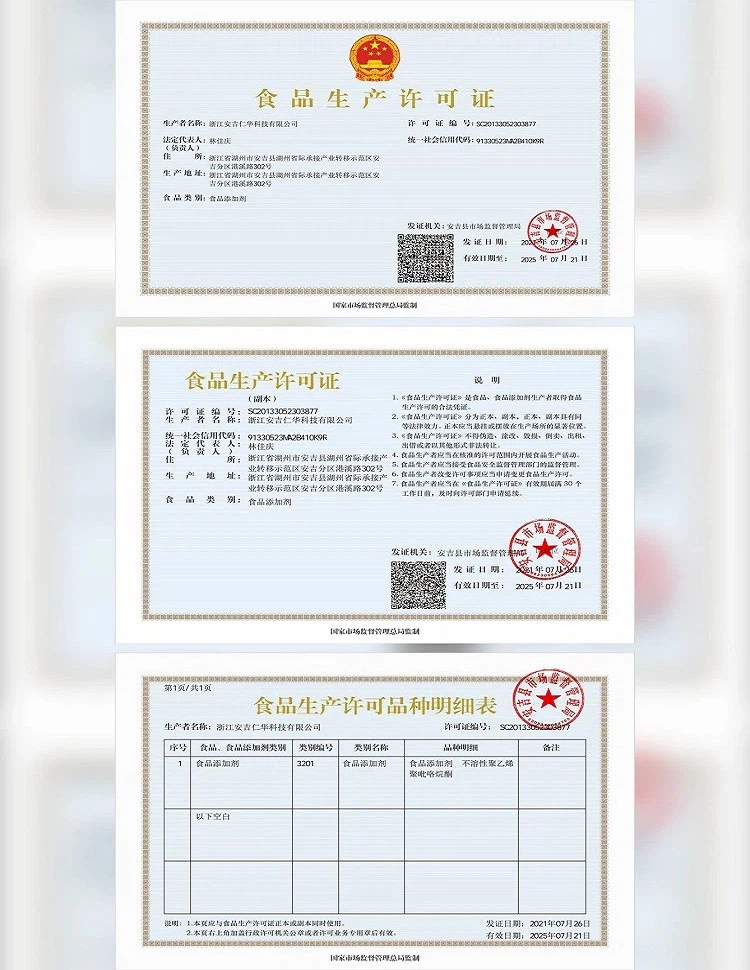
Its products lead the domestic market, achieving pharmaceutical-grade standards and completing the national filing of pharmaceutical excipients, obtaining food production permits. Strong commitment to quality with IS09001 certification and food production license.
Diverse Applications
After 8 years of research and development by the company's founding team, thecompany has formed multiple product series, including polyvinylpyrrolidone (PVP-K).crospovidone (PVPP), N-vinylpyrrolidone (NVP), Polymers with excellent propertiessuch as VP/A copolymer, PVP/A binary copolymer, and povidone-iodine (PVP-l). The products have diverse applications across various industries.
Rich Experience
Dedicated to strict quality control and attentive customer service, our experienced staff is always available to discuss your requirements and ensure complete customer satisfaction.
Competitive Pricing
We offer competitive pricing without compromising on quality, making our products accessible to a wide range of customers.
Definition of PVP-I
Povidone-iodine (PVP-I), also known as iodopovidone, is an antiseptic used for skin disinfection before and after surgery. It may be used both to disinfect the hands of healthcare providers and the skin of the person they are caring for. It may also be used for minor wounds. It may be applied to the skin as a liquid or a powder. PVP-I is a chemical complex of povidone, hydrogen iodide, and elemental iodine. The recommended strength solution contains 10% Povidone, with total iodine species equaling 10,000 ppm or 1% total titratable iodine. It works by releasing iodine which results in the death of a range of microorganisms.


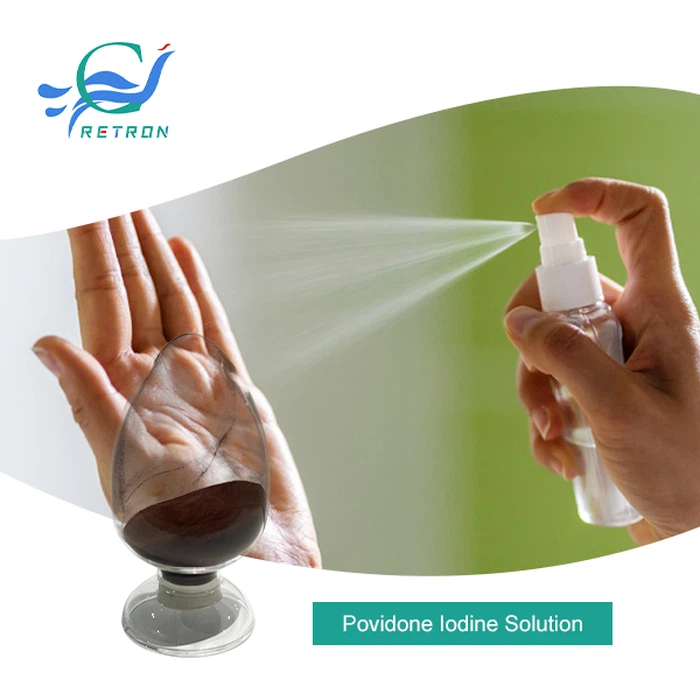
PVP-I is a soluble substance with more stability in solution compared to Lugol's solution or iodine tincture. Its gradual release of free iodine destroys bacterial and eukaryotic cells, with a wide spectrum of antimicrobial activity against viruses, bacteria, fungus, and protozoa.
The PVP-I combination reduces iodine toxicity to mammalian cells. Applications of PVP-I in nanomaterials include wound healing using a mat of single wall carbon nanotubes covered in a povidone-iodine monolayer.
The advantages of PVP-I are low viscosity, low cost, and excellent coating ability, but the separation performance is mediocre. Therefore, to find a sieving matrix with low cost, high separation ability and good surface coating capability et al.
PVP-I is a soluble substance with more stability in solution compared to Lugol's solution or iodine tincture. Its gradual release of free iodine destroys bacterial and eukaryotic cells, with a wide spectrum of antimicrobial activity against viruses, bacteria, fungus, and protozoa.
The PVP-I combination reduces iodine toxicity to mammalian cells. Applications of PVP-I in nanomaterials include wound healing using a mat of single wall carbon nanotubes covered in a povidone-iodine monolayer.
The advantages of PVP-I are low viscosity, low cost, and excellent coating ability, but the separation performance is mediocre. Therefore, to find a sieving matrix with low cost, high separation ability and good surface coating capability et al.

Components of PVP-I
PVP-I is a stable chemical complex of polyvinylpyrrolidone (povidone, PVP) and elemental iodine. It contains from 9.0% to 12.0% available iodine, calculated on a dry basis. This unique complex was discovered in 1955 at the Industrial Toxicology Laboratories in Philadelphia by H. A. Shelanski and M. V. Shelanski. During in vitro testing to demonstrate anti-bacterial activity it was found that the complex was less toxic in mice than tincture of iodine. Human clinical trials showed the product to be superior to other iodine formulations. PVP-I was immediately marketed, and has since become the universally preferred iodine antiseptic.

PVP-1 refers to an iodine preparation commonly used in both household and healthcare settings. It consists of a complex of povidone, hydrogen iodide, and elemental iodine which targets structures critical to the survival and replication of microorganisms. Common formulations typically consist of a 10% PVP-I solution containing 1% available iodine.
Following application, elemental iodine can take on several forms in aqueous solution, with the molecular I2 and hypoiodous acid (HOI) being the most effective in terms of antimicrobial activity. The iodine molecules are free to oxidise vital pathogen structures such as amino acids, nucleic acids and membrane components. An equilibrium is achieved in such circumstances, with more PVP-bound iodine released into solution to replace the iodine that is consumed by germicidal activity. The maintenance of this equilibrium ensures long-lasting efficacy during bouts of microorganism proliferation, as well as better tolerability for patients due to lower levels of irritation. Electron microscopy and biochemical observations support the hypothesis that PVP-I disrupts microbial cell walls by inducing pore formation, leading to cytosol leakage. The lack of reported resistance to PVP-I to date is thought to be due to the sheer diversity of susceptible targets within each pathogen, an important aspect to be considered in the face of rising concerns for antibiotic resistance.
What Are the Precautions for Using PVP-I and How to Store It?
PVP-I is a chemical complex of povidone, hydrogen iodide, and elemental iodine. The recommended strength solution contains 10% Povidone, with total iodine species equaling 10,000 ppm or 1% total titratable iodine. It works by releasing iodine which results in the death of a range of microorganisms.
Side effects include skin irritation and sometimes swelling. If used on large wounds, kidney problems, high blood sodium, and metabolic acidosis may occur. It is not recommended in women who are less than 32 weeks pregnant. Frequent use is not recommended in people with thyroid problems or who are taking lithium.
What should I watch for while using this medication?
Tell your doctor or health care professional if your symptoms do not start to get better or if they get worse. PVP-I can make certain skin conditions worse. Only use it for conditions for which your doctor or health care professional has prescribed. Unless told to do so by your doctor or health care professional, do not use for longer than 1 week or over large areas of the body.
Do not take this PVP-I by mouth. Except for the ophthalmic prep solution, contact with your eyes should be avoided. If contact with the eyes occur, rinse out with plenty of cool tap water.
Where should I keep my medication?
● Keep out of the reach of children.
● Store at room temperature between 15 and 25 degrees C (59 and 77 degrees F). Keep this medicine in the original container.
● Do not freeze.
● Throw away any unused medicine after the expiration date.
Applications of PVP-I
PVP-I in antiviral applications
PVP-I formulations are also known to have broad antiviral properties. These effects are mechanistically similar in principle to iodine's antibacterial activity. For example, the virucidal mechanisms of action of PVP-I have been determined to involve the inhibition of essential viral enzymes such as neuraminidase. The inactivation of this enzyme blocks viral release from the host cell, preventing further spread of the virus to uninfected cells. In addition, PVP-I also inhibits viral haemagglutinin, resulting in the blockade of attachment to host cell receptors. By simultaneously targeting both critical aspects of the viral machinery needed for replication, PVP-I reduces the likelihood of resistance emerging through sudden mutation.
Under such guidelines, PVP-I formulations have been shown to elicit viral inactivation of > 99.99% in test systems using a modified vaccinia virus. Virucidal efficacy has in some cases been determined to occur within 15 s of contact. Following a hand simulation study with the murine norovirus, it was found that hand washing with PVP-I was more effective than chlorhexidine and soft soap, a gold standard recommended by the WHO. PVP-I was also shown to be more virucidal against both enterovirus and coxsackievirus when compared to other disinfectants.
PVP-I for Hospital infection control
Hospital settings are particularly challenging for antisepsis, as antibiotic-resistant strains are a constant threat. PVP-I is widely used in surgical settings to prevent infection by ensuring preoperative decontamination. The aim of such decontamination is to reduce the risk of skin flora being introduced into sensitive areas once the skin barrier has been breached. Normal and innocuous bacterial flora that usually colonise healthy skin can become harmful in such settings, particularly for immuno-compromised individuals. A PVP-I surgical scrub with a detergent and foam booster is recommended for the most effective preoperative sterilisation.
Antisepsis agents were then used in a randomised approach and the number of test organisms released from the fingertips was calculated in terms of mean log10 reduction factor as per EN1499 guidelines. The direct comparison of PVP-I 7.5% and chlorhexidine 4% formulations showed a clear superiority of PVP-I against the murine norovirus, while both PVP-I and chlorhexidine were significantly better than soft soap against E. coli. Such experimental models could be helpful in broader assessments of antisepsis agents.
PVP-I for Hygienic interventions
It has long been known that hand washing, when performed properly, can significantly reduce the carriage and spread of pathogens. This has a direct effect on reducing patient morbidity and mortality from nosocomial infections. Hand washing is an important and established procedure for infection control with clinically-validated efficacy and a core component of protocols aimed at reducing infectious outbreaks. The skin can act as a reservoir for infectious agents, and the use of PVP-I for hand disinfection represents an alternative to alcohol-based hand rubs, with medicated soaps containing PVP-I now readily available. Such PVP-I soaps have shown equivalent or superior efficacy to alcohol-based hand sanitisers when tested against norovirus, a common cause of gastroenteritis. In contrast, chlorhexidine and triclosan-based hand washes, have been shown to be inferior against norovirus in practical application tests. Hand washing with PVP-I-based formulations have shown similar antimicrobial efficacy to an alcohol-based hand rub, with both being preferable to the use of soap and water alone.
PVP-I scrubs have better skin tolerance than soap formulations of chlorhexidine and quaternary ammonium compounds. Although there is an urgent need for well-designed studies directly comparing the clinical and economic profiles of antiseptics in such settings, PVP-I can be considered the antiseptic of choice for the management of superficial skin infections.
PVP-I Against antimicrobial-resistant bacterial strains
The PVP-I formulation containing up to 1% available iodine was able to kill all strains tested in under 5 min, with most cells being destroyed within 30 s. While dilute concentrations were noted to take in excess of 10 min to achieve an effect, even these iodine dilutions were successful in killing all strains upon prolonged exposure. In real-world scenarios, over-the-counter PVP-I formulations are accommodating of such prolonged exposure to healthy skin, with some commercial formulations known to be active for 12–14 h, compared to the 1–4 h of activity documented for chlorhexidine against fungi and endospores. Of particular note, clinical isolates of chlorhexidine-resistant Klebsiella pneumoniae that are also cross-resistant to colistin have recently been identified. While chlorhexidine is commonly used in disinfectants, these new findings suggest that exposure to chlorhexidine is associated with stable resistance to colistin, an antibiotic of last resort for multidrug-resistant infections.
Efficacy of PVP-I in comparison to other antiseptic agents
It has been more than 60 years since PVP-I was first marketed as an antibiotic/antiseptic agent. Since its introduction, various other agents including triclosan and carbapenem have been introduced, although it has been 30 years since a new class of antibiotic was last discovered.
According to recent reviews, there have been no confirmed reports of resistance to PVP-I to date. Numerous studies have shown that PVP-I has a broader antimicrobial spectrum than other available antiseptics including chloroxylenol, chlorhexidine, and quaternary ammonium compounds. Although alcohol-based antiseptics also have broad potency, unlike PVP-I formulations, they typically have no effect on fungal or bacterial spores. Interestingly, honey and maggots have been shown to have antibacterial properties when applied in therapeutic wound-treatment settings, although their potency in comparison to iodine against viruses and endospores remains to be determined.
PVP-I - Treatment of infection in burns
A 10% ointment of povidone-iodine(PVP-I)was developed after the active agent demonstrated a broad spectrum of antimicrobial attributes in liquid form. Although its active antimicrobial component is iodine, there has been no documentation associated with intact skin hypersensitivity or toxic effects. It has a broad spectrum of antibacterial and antifungal activities. Povidone-iodine(PVP-I) ointment can be employed effectively in both the closed and open techniques. Quantitative bacteriological assessments imply that iodine is most efficacious when it is administered every 6 hours. When it is used in this manner, it is effective in controlling and/or preventing bacterial colonization.
However, there are some adverse drug effects associated with the use of this topical antimicrobial at burn wound sites. The topical application of this agent is painful. Recent studies intimate that the iodine component of this topical agent may be absorbed more extensively in burn wound sites, resulting in iodine toxicity, renal failure, and acidosis. Concomitantly, povidone-iodine(PVP-I) has been shown to be cytotoxic to fibroblasts. However, it remains a highly effective disinfectant when used on intact skin.
PVP-I are important ingredients used in pharmacy compounding and perform a variety of functions. They can be used to formulate emulsions and suspensions, and they can improve the solubility of poorly soluble drugs in water. To help you understand these versatile excipients, we will explain what PVP-I are and some of their important characteristics, cover important things to consider when using them, and list many of the PVP-I you can use in compounding.
PVP-I can also improve the water solubility of insoluble drugs. They do this by orienting at the drug particle surface in such a manner that the lipophilic portion faces the drug particle while the hydrophilic portion faces outward, making the particle more water loving. In this manner, a surfactant can function as a solubilizing agent. For example, coal tar solution contains polysorbate 80 as a solubilizing agent to prevent precipitation of coal tar if the solution is diluted with water. Coal tar needs alcohol to dissolve and would precipitate in water in the absence of a hydrophilic surfactant such as polysorbate 80.
Water-soluble polymers can also align at interfaces to facilitate dispersion of insoluble drugs in water. Viscosity-enhancing materials increase the viscosity of the dispersion medium (or the external phase) and aid in minimizing separation of immiscible liquids or settling of insoluble particles.

Our Factory
Zhejiang Retron Biotech Co., Ltd. (referred to as Retron Biotech) is located in the town of Tianzi Lake, Anji County, which is the first county in China to receive the "United Nations Habitat Environment Award" and known as the "Hangzhou Back Garden". Retron Biotech was established in April 2021, covering an area of over 5.3 acres with a total investment of 28 million USD. It is a technology-based company specializing in the research and development, production, domestic and overseas business, and application technical services of polymer materials.
The company has obtained ISO 9001 Quality Management System certification, ISO 14001 Environmental Management System certification, and ISO 45001 Occupational Health and Safety Management System certification. Its products lead the domestic market, achieving pharmaceutical-grade standards and completing the national filing of pharmaceutical excipients, obtaining food production permits. The company's PVPP and PVP-K30 products have reached the highest versions of the EP10, USP43, and CP2020 standards in the international pharmacopoeias.


Our certificate


Ultimate FAQ Guide to PVP-I
As one of the most professional pvp-i manufacturers and suppliers in China, we're featured by quality products and good service. Please rest assured to buy high-grade pvp-imade in China here from our factory.
Zat Aktif Povidone Iodine, PVP-I, Excellent-Iodine